GMP Inspection Readiness & Regulatory Governance Consultancy UK
Regulatory inspection is not an event. It is the outcome of governance, documentation discipline and risk-based decision-making embedded across the organisation.
W2 Cleanroom Consulting provides independent GMP inspection readiness and regulatory governance consultancy across the United Kingdom, supporting pharmaceutical manufacturers and NHS aseptic services in strengthening compliance frameworks aligned to EU GMP expectations.
Our approach focuses on building inspection-defensible systems that withstand scrutiny under MHRA and EU regulatory oversight.
Why Inspection Readiness Must Be Continuous
Organisations often prepare for inspection reactively. However, regulatory findings frequently arise from structural weaknesses rather than isolated documentation gaps.
Common inspection themes include:
Inconsistent linkage between risk assessment and operational control
Weak traceability between URS, DQ and qualification documentation
Incomplete lifecycle validation governance
Gaps in Contamination Control Strategy oversight
Poor change control integration affecting validated state
Inadequate senior management visibility of compliance risk
Inspection readiness must therefore be embedded into governance, not mobilised weeks before audit.
GMP Governance Consultancy Services
We support organisations in strengthening regulatory governance across:
Pharmaceutical Quality System (PQS) framework alignment
Risk-based decision-making integration under ICH Q9 principles
Annex 1 (2023) contamination control oversight
Lifecycle validation governance under Annex 15
Change control and deviation management structure
Senior management review frameworks
Inspection simulation and gap analysis
Our consultancy ensures that compliance responsibilities are clearly defined, traceable and operationally sustainable.
Mock Inspection & Gap Assessment
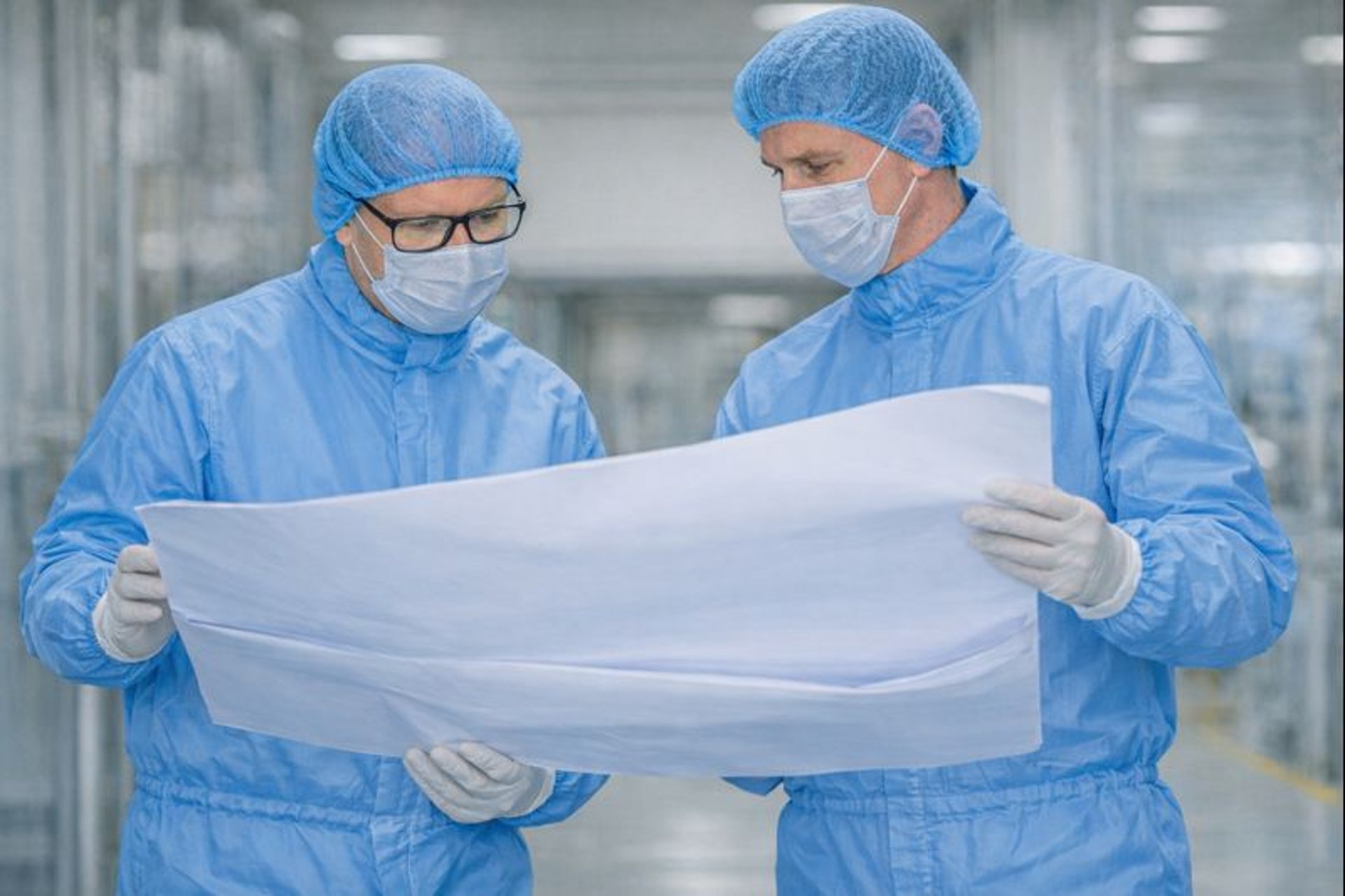
As an independent GMP inspection consultant in the UK, we conduct structured inspection simulations to identify systemic vulnerabilities before regulatory review.
Our mock inspection framework includes:
Documentation traceability review
Cleanroom and facility governance assessment
Validation lifecycle review
CCS implementation evaluation
Change control and CAPA effectiveness assessment
Senior leadership governance review
Findings are documented with risk-based prioritisation and corrective action planning.
Integration Across Facility Lifecycle
Inspection readiness must align with pharmaceutical cleanroom design consultancy decisions, validation and qualification consultancy strategy and contamination control strategy governance.
We integrate regulatory governance across:
Facility design and zoning
URS and Design Qualification oversight
Validation execution and lifecycle review
Data integrity and electronic systems governance
Regulatory Framework Alignment
Our inspection readiness consultancy aligns with:
EU GMP Annex 1 (2023)
EU GMP Chapter 1 – Pharmaceutical Quality System
EU GMP Annex 15 – Qualification and Validation
EU GMP Annex 11 where applicable
Risk-based principles under ICH Q9 and Q10
We ensure governance structures are aligned with inspection expectations under MHRA oversight.
Common Governance Weaknesses Identified During Inspection
During inspection, systemic governance issues often present as:
Reactive rather than proactive quality management
Incomplete documentation of risk-based rationale
Fragmented ownership of contamination control
Weak senior management oversight
Validation lifecycle not integrated into PQS
Our consultancy focuses on strengthening governance structures so that compliance is demonstrable, consistent and defensible.
Typical Deliverables
Inspection readiness gap analysis reports
Governance framework review documentation
Risk-based action plans
Senior management briefing summaries
Mock inspection reports
Corrective action tracking structures
Closing
GMP inspection readiness is the visible outcome of robust regulatory governance. Organisations that embed risk-based oversight across design, validation and contamination control are better positioned to withstand regulatory scrutiny.
Independent GMP Governance & Inspection Readiness Consultancy
Contact
Get in touch
info@w2cleanrooms.com
© 2025. All rights reserved.
Our Brands

Free GxP Training
Click for more info